The 80/20 Rule of Ecommerce: Focusing on Best Selling Products
If you run an online store, you have probably noticed something interesting. Not all your products perform the same. Some of them move fast and make money every day. Others sit on your catalog and collect dust.
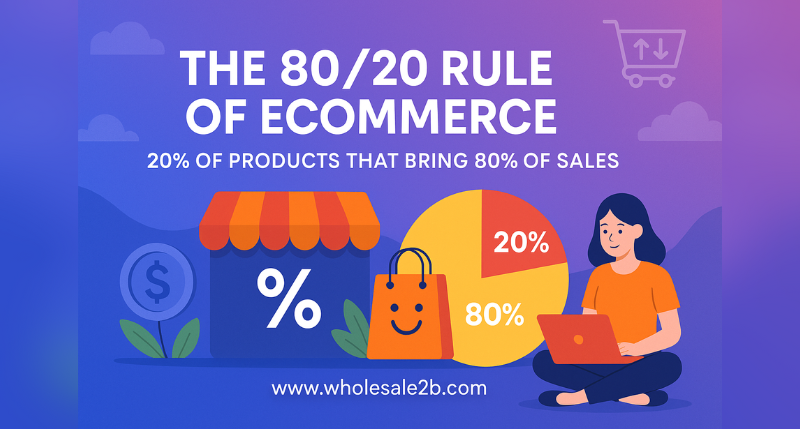
The reason behind this pattern is simple and powerful. It is known as the 80/20 rule of ecommerce. It means that around 20 percent of your products are responsible for about 80 percent of your total sales.
Once you start looking at your business through this lens, everything changes. You stop wasting effort on what does not matter and focus on what brings results. You work smarter, not harder. You improve your margins, your advertising, and your overall growth.
This article explains how you can use the 80/20 rule to understand your store better, how to identify the products that make the most impact, and how to build a strong long term strategy around them.
What the 80/20 Rule Really Means
The 80/20 rule, also known as the Pareto principle, came from an Italian economist named Vilfredo Pareto. He discovered that 80 percent of the land in Italy was owned by 20 percent of the people. Later, researchers found that this pattern appeared almost everywhere. A small share of causes creates most of the results.
In ecommerce, this translates to a simple truth. A small portion of your inventory drives the majority of your sales, your profit, and even your brand reputation. The rest may contribute, but not nearly as much.
This rule reminds you that your store is not one big system where everything performs equally. It is a living structure with a few powerful products carrying most of the weight. Once you identify those products, you can double down on them and grow your store with less effort.
Why the 80/20 Rule Matters in Ecommerce
Ecommerce is full of choices. You decide which products to list, what to advertise, how to price, and where to spend your time. Without a guiding principle, you end up spreading your attention across hundreds of items. The result is wasted time and diluted focus.
The 80/20 rule helps you simplify your decision making. It shows you where your time, energy, and money truly pay off. By focusing on the small portion of products that generate most of your income, you can improve every metric that matters.
You can spend less on ads and still see better returns. You can simplify your operations because fewer products need your constant attention. You can build marketing around what already works instead of guessing what might.
How to Identify Your Top 20 Percent
You do not need complex tools to find your top performers. You can begin with the sales data that already exists in your ecommerce platform or in Wholesale2B if you dropship.
Start by exporting your product sales report for the last few months. Sort your products by total revenue or by the number of orders. The top group that represents about one fifth of your catalog is your starting point.
Now take a closer look at those items. Which ones bring consistent orders every week? Which ones have high profit margins or great reviews? Which ones attract repeat buyers?
You will begin to notice patterns. Maybe your top products come from the same supplier. Maybe they all fall under one category or share a similar price range. These insights tell you what your audience actually values.
Why Certain Products Outperform Others
Top sellers usually share common qualities. They solve a clear problem or fulfill a strong desire. They are priced just right so customers feel they get value. They have clean and appealing images. They have reviews that build trust. They match ongoing trends or seasonal demand. And they are easy to understand.
Sometimes it is not about the product itself but how you present it. Maybe your best selling product has a better title or description. Maybe you ran ads for it early and it gained momentum. Once you know what separates top performers from the rest, you can repeat that success with new products.
What to Do With Your Top 20 Percent
Once you identify the products that drive most of your sales, it is time to make them the center of your business strategy.
Feature them prominently on your homepage. New visitors should see your best sellers first. Run ads that focus on these items since they already have proof of demand. Create email campaigns that tell stories around these products. Build bundles that include them along with slower moving products.
Write detailed product descriptions that highlight their benefits and use relevant keywords. Add real customer reviews and photos to make the listings trustworthy. Offer volume discounts or limited time deals to keep momentum strong.
Your goal is to turn these products into brand heroes. When customers think of your store, these should be the first items that come to mind.
Managing the Remaining 80 Percent
The rest of your catalog still has value. Some products bring variety and help your store look complete. Others attract traffic through search results even if they do not sell much. You can use them to cross sell or to help shoppers discover your main products.
However, you should manage them differently. Avoid spending too much on ads for slow sellers. Keep them available but in the background. Use them to support your top products instead of competing for attention.
Think of your store as a pyramid. The top products form the foundation of profit. The rest create structure and diversity. Both are needed, but one clearly drives results.
Using the 80/20 Rule in Marketing
Your marketing becomes much easier when you know which products to push. Instead of spreading your efforts across everything, you can concentrate your campaigns on proven winners.
You can create ads that highlight your top products with strong visuals and clear calls to action. You can build blog posts and buying guides that feature them. You can use them in influencer campaigns and social media stories.
This approach helps your marketing dollars go further. When you promote products that already convert, your ad performance improves. You also gain more consistent traffic because customers begin to associate your brand with those winning items.
Applying the Rule to Search Engine Optimization
SEO works best when you focus on a few key pages. Trying to rank every single product equally will not work. Choose your top selling products and build high quality SEO content around them.
Use relevant keywords in the product titles, headings, and meta descriptions. Write clear and informative descriptions that include phrases like “best selling ecommerce product,” “high profit item,” or “top dropshipping product.”
Add internal links from blog posts and category pages to these listings. Write long form articles that explore the product’s use, benefits, or comparisons. These pages will gain authority faster because they already attract traffic and conversions.
When search engines see strong engagement on these pages, your rankings improve naturally.
How the Rule Connects to Customer Behavior
The 80/20 pattern also applies to your customers. Around 20 percent of your buyers often create 80 percent of your total revenue. These are your loyal customers who buy repeatedly, leave reviews, and recommend your store to others.
Treat them with care. Send personalized emails, loyalty discounts, or early access to new products. Ask for their feedback and respond to it. When you nurture this group, your store gains stability. You do not have to depend only on new traffic.
Loyal customers who love your top products become your most effective marketers. They bring in new buyers through word of mouth and social sharing.
Using the Rule in Dropshipping
If you run a dropshipping store, the 80/20 rule becomes your main control tool. When you have thousands of products imported from suppliers, it is easy to lose focus. You cannot promote or optimize all of them.
By watching your sales data, you can quickly spot which products perform best. Once you know the winners, you can invest in improving their descriptions, running ads, and building content around them.
Dropshipping gives you the freedom to test fast. Use that advantage to your benefit. Add products in bulk, test them for a few weeks, and then apply the 80/20 rule to filter out the underperformers. Keep refining until you have a small group of best sellers that consistently bring orders.
This focused approach makes your business lean and profitable.
Managing Inventory with the Rule
If you keep your own stock, the rule helps you plan smarter. You can allocate more inventory to the products that sell fast and reduce orders for slower ones. This prevents overstocking and frees up cash flow.
You also avoid the risk of running out of your best sellers during peak season. When you track data closely, you can forecast demand more accurately and reorder before you run low.
Inventory management becomes easier when you concentrate on what actually moves.
Common Mistakes Store Owners Make
Many store owners understand the 80/20 concept but still make mistakes when applying it. One common error is ignoring data and relying on personal preference. Another is spending too much money promoting products that rarely sell. Some use outdated reports and miss new trends. Others confuse revenue with profit, focusing on sales volume without checking margins.
The biggest mistake is treating the rule as a one time task. Your top products can change over time. You need to review your data regularly to stay updated.
Avoid these mistakes by keeping a consistent routine of analysis and adjustment.
Improving Your Top 20 Percent
You can always make your best products even better. Start by upgrading product images. Use high quality pictures that show the item clearly and from multiple angles. Add lifestyle photos that show the product in use.
Improve your copy by focusing on benefits rather than features. Explain what problem the product solves and how it makes life easier for the buyer. Use customer language that sounds natural.
Test your pricing. Small adjustments can make a big difference in conversion rates. Try adding small bundle discounts or limited time offers.
Encourage customers to leave reviews. More social proof increases trust and can boost sales even further.
Using the Rule to Guide New Product Research
When you add new items to your store, do not choose them randomly. Use your existing top products as a guide. Ask yourself what they have in common. Are they part of the same niche or price range? Do they solve similar problems?
Look for complementary items that make sense next to your winners. For example, if one of your best sellers is a phone case, a matching screen protector or phone grip might be a natural addition.
This way, your product catalog expands with purpose rather than guesswork.
How to Build Content Around Your Top Products
Content marketing helps you bring organic traffic and build trust. Focus your content strategy on your best products. Create blog posts, videos, or infographics that show how to use them, how to choose the right one, or how they compare to similar items.
Write practical guides like “The Best Home Office Tools for 2025” or “Top Dropshipping Products That Always Sell.” Include your products naturally in these articles.
When you create content that educates and promotes at the same time, you position your store as a helpful resource. This builds long term authority and repeat traffic.
Seasonal Planning with the 80/20 Rule
Your best products might change with the seasons. Review your sales data every quarter to see what rises and what slows down.
Plan your promotions around predictable events such as holidays, back to school, or summer sales. Highlight relevant products during those times. For example, gift items perform better during November and December, while fitness products tend to sell more in January.
By anticipating seasonal shifts, you can adjust inventory and marketing in advance instead of reacting late.
Using Automation to Support the Rule
Automation tools make it easier to manage your top products. Many ecommerce platforms, including Wholesale2B, allow automatic updates for inventory, pricing, and product data.
You can also set up automated reports that show your top sellers each month. This helps you act faster without manual tracking.
When you automate repetitive tasks, you can spend more time refining strategy and improving your best products.
Applying the 80/20 Rule to Your Time
The rule does not only apply to products. It also applies to your time and energy. Think about which tasks truly drive results. Maybe analyzing data, improving product listings, or communicating with customers has more impact than spending hours adjusting colors on your website.
Focus your day on the 20 percent of activities that produce 80 percent of your progress. Delegate or automate the rest. This mindset keeps you productive and prevents burnout.
Building a Long-Term Strategy Around the Rule
The 80/20 rule is not a quick tactic. It is a mindset you can build your entire business on. Once you identify your best products, build your systems, ads, and brand story around them.
Train your team to focus on improving these items. Allocate most of your marketing budget to them. Use profits from these winners to test small batches of new products.
As your data evolves, your list of top products may change, but the rule remains the same. A small number of strong products will always carry the majority of your results.
Measuring Success
To know if your focus is paying off, track a few key metrics. Look at total revenue, profit margin, ad return, and repeat purchase rate. Check how often your top products appear in orders. Monitor how many new visitors land on those pages.
If these numbers improve over time, your application of the 80/20 rule is working.
Final Thoughts
The 80/20 rule of ecommerce is one of the simplest yet most powerful ways to grow your business. It reminds you that success does not come from doing more, but from doing what matters.
By focusing on the 20 percent of products that bring 80 percent of your sales, you can improve your profit, save time, and create a more stable store. You can build marketing that feels intentional and operations that run smoothly.
Start by looking at your sales data today. Identify your top products. Give them more attention. Build content, ads, and inventory around them. Review your progress often.
When you apply this rule consistently, you will notice a clear shift. Your business will feel lighter, more focused, and more profitable. That is the real power of the 80/20 rule in ecommerce.
Try Wholesale2B Totally Risk-Free
-

-

-

-

-

-
500K+